How Beginners Are Making Money with Laser Engraving
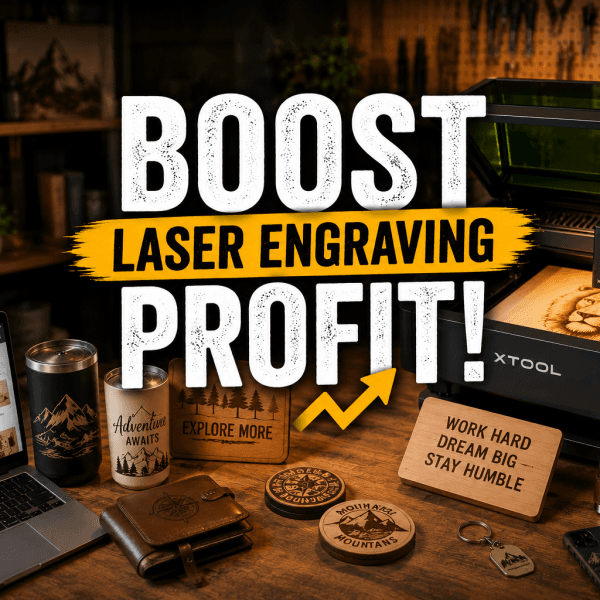
When I bought my first laser engraver, I honestly thought it would be a small side hobby.
Maybe a few custom gifts. Maybe some engraved tumblers. Maybe enough Etsy sales to cover the machine cost.
That was the plan.
What I didn’t expect was how quickly things would become frustrating.
The first machine I bought was one of those cheap Amazon lasers that looks amazing in YouTube ads.
At first, I thought I had found a bargain.
A few weeks later, I realized why so many Etsy sellers eventually upgrade.
The engraving quality was inconsistent. The software kept freezing. Cuts that worked one day suddenly failed the next. And once orders started coming in before the holidays, production speed became a serious problem.
That experience completely changed how I think about laser engraving businesses.
Most beginners focus too much on the price of machines. Very few think about workflow, reliability, scalability, or production bottlenecks.
After spending months researching Reddit threads, watching YouTube reviews, and talking with other Etsy sellers, I eventually moved to xTool.
Looking back, I probably should have started there from the beginning.
This article isn’t just another generic “best laser engraver” roundup.
There are already hundreds of those online.
Instead, I want to explain:
-
Why laser engraving businesses are exploding right now
-
Why so many Etsy sellers eventually move toward xTool
-
Which xTool machine actually makes sense for different business models
-
What nobody tells beginners before they start
-
Which laser engraving niches still have room in 2026
-
And whether laser engraving is still worth getting into today
Because despite all the hype online, this business is not as easy as TikTok makes it look.
But if you approach it correctly, it can absolutely become a real income stream.
Why Laser Engraving Became One of the Biggest Etsy Side Hustles
A few years ago, most people didn’t even know what a laser engraver was.
Now it feels like personalized products are everywhere.
Custom tumblers. Wedding signs. Engraved cutting boards. Personalized pet tags. Acrylic business logos. Custom ornaments.
And the reason is simple.
People are getting tired of generic products.
When someone buys a personalized item, they’re not just buying the product itself. They’re buying emotion.
That’s why a wooden board that costs $12 can suddenly sell for $70 after customization.
The perceived value changes completely.
I noticed this while browsing Etsy one night.
Some stores were selling extremely simple engraved products at surprisingly high prices. At first I thought:
“Who is actually paying this much?”
Then I realized something important.
Customers don’t compare personalized products the same way they compare mass-produced Amazon products.
A personalized wedding gift doesn’t feel replaceable.
That changes pricing psychology dramatically.
And once you understand that, laser engraving businesses make a lot more sense.
The Biggest Mistake Beginners Make
Most beginners think business is about machines.
It isn’t.
The real business is:
-
choosing the right niche
-
creating products people emotionally care about
-
producing consistently
-
and building a workflow that can actually scale
The machine matters because it affects all four.
What surprised me most was how quickly reliability becomes important.
When you only make one item every few days, almost any machine feels acceptable.
But once you start receiving multiple orders per day, problems compound fast.
A failed engraving isn’t just annoying.
It wastes:
-
material
-
production time
-
shipping windows
-
customer trust
This is where many cheap hobby lasers start falling apart.
And honestly, I think this is why xTool became so dominant among Etsy sellers.
Not because it’s the absolute cheapest.
But because it sits in a very important middle ground.
It feels accessible enough for beginners while still being capable of real production work.
Why So Many Etsy Sellers End Up Choosing xTool
If you spend enough time inside laser engraving communities, you’ll notice something.
People rarely stay with their first machine forever.
A lot of creators start with ultra-budget engravers. Then eventually upgrade after running into limitations.
That upgrade path often leads to:
-
xTool
-
Glowforge
-
OMTech
-
or industrial systems
But xTool keeps appearing in conversations for one major reason.
It was designed for creators.
That sounds obvious, but it matters.
Some laser machines feel like industrial equipment that accidentally ended up inside someone’s garage.
xTool feels more approachable.
The setup process is easier. The software feels less intimidating. And the learning curve is significantly smoother for beginners.
I didn’t fully appreciate this until I spent hours troubleshooting a cheaper engraver.
At some point, saving money upfront stops feeling smart.
Especially when production issues start affecting customer reviews.
The Hidden Cost of Cheap Laser Engravers
Nobody really talks about this enough.
Cheap machines can become expensive surprisingly fast.
Not always because they break.
Sometimes the real cost is inefficiency.
For example:
-
slower engraving speeds
-
failed cuts
-
recalibration issues
-
inconsistent power output
-
wasted materials
-
more testing time
I remember ruining several tumblers because engraving depth kept changing unexpectedly.
At first I blamed myself.
Later I realized the machine simply wasn’t reliable enough for repeat production.
This becomes especially painful during busy seasons.
Holiday traffic on Etsy can spike aggressively.
If your workflow isn’t stable, stress levels rise very quickly.
That’s one reason many serious sellers eventually prioritize consistency over entry price.
Which xTool Machine Actually Makes Sense?
One thing I dislike about many review articles is that they pretend every machine works for everyone.
That’s not true.
Different business models need different workflows.
Here’s the more realistic breakdown.
xTool S1: Probably the Best Starting Point for Most Beginners
If someone asked me today:
“What’s the safest beginner-friendly laser engraver for starting an Etsy business?”
I’d probably point toward the xTool S1.
Not because it’s perfect.
But because it removes many of the frustrations that overwhelm beginners.
The enclosed design helps a lot. Especially for people working from apartments, spare rooms, or home offices.
Open-frame lasers can feel intimidating at first.
The S1 feels cleaner and more approachable.
I also think beginners underestimate how important psychological comfort is.
When a machine feels complicated, people avoid using it.
That slows learning dramatically.
The S1 works especially well for:
-
personalized gifts
-
acrylic crafts
-
home décor
-
beginner Etsy stores
-
wedding products
-
small batch production
For many creators, that’s enough to build a real business.
xTool F1: The Machine That Makes TikTok Content Easy
The F1 became interesting for a completely different reason.
It’s portable.
And portability changes the business model.
A lot of creators now make money doing live personalization.
For example:
-
engraving names at craft fairs
-
custom tumblers at local events
-
personalized keychains on demand
-
wedding event personalization
People love watching products being customized in real time.
Honestly, this type of content performs ridiculously well on TikTok.
Laser engraving is naturally satisfying to watch.
The sparks. The movement. The transformation.
Even short clips can generate huge engagement.
I’ve seen creators get hundreds of thousands of views simply showing engraving processes.
That visual aspect gives laser engraving businesses a major marketing advantage.
Most ecommerce products aren’t visually interesting during production.
Laser engraving is.
xTool P2: Where Things Start Feeling Like a Real Business
The P2 is where you stop thinking like a hobbyist.
This machine is for people who already know they want production capability.
And honestly, production speed matters more than most beginners realize.
At first, a slower machine feels manageable.
Then holiday season arrives.
Suddenly:
-
orders pile up
-
shipping deadlines shrink
-
customers want personalization changes
-
mistakes become expensive
That’s when workflow efficiency becomes critical.
I remember reading a Reddit comment from an Etsy seller who said something like:
“Once you start shipping dozens of orders every week, speed becomes more important than the upfront machine price.”
That stuck with me.
Because it’s true.
The P2 is especially strong for:
-
serious Etsy stores
-
acrylic signage businesses
-
wedding décor production
-
batch processing
-
custom business products
-
high-volume personalization
It’s not the cheapest option.
But most scalable business equipment rarely is.
What Actually Sells Well in 2026?
This is the question everybody asks.
And honestly?
The answer changes constantly.
But some categories continue outperforming because they’re emotionally driven.
That’s the key.
Products connected to identity, emotion, milestones, or personalization tend to survive longer.
Here are the categories I keep seeing perform well.
Personalized Tumblers
This market still feels surprisingly strong.
Especially in niches like:
-
nurses
-
teachers
-
moms
-
fitness
-
camping
-
weddings
-
sports teams
Tumblers work because they combine practicality with personalization.
And businesses also buy them for branding.
That creates both consumer and B2B opportunities.
Wedding Products
Wedding spending behavior is different.
People become far less price-sensitive.
I think this is why personalized wedding products continue performing so well on Etsy.
Examples include:
-
seating charts
-
acrylic signs
-
engraved keepsakes
-
bridesmaid boxes
-
custom décor
-
personalized gifts
The emotional value is high.
And emotional value usually means stronger margins.
Home Décor
Pinterest trends continue driving this category.
Especially:
-
farmhouse signs
-
family name signs
-
seasonal décor
-
layered wood art
-
personalized kitchen décor
What’s interesting is how much social media influences these purchases.
People often buy these products because they saw a room aesthetic online.
That creates constant trend cycles.
Pet Products
Pet owners spend money emotionally.
That makes this niche surprisingly resilient.
Laser engraving works well for:
-
pet tags
-
memorial plaques
-
feeding stations
-
ornaments
-
leash holders
Some sellers build entire stores around pet personalization alone.
The Side Nobody Shows on YouTube
This part is important.
A lot of “laser engraving side hustle” content online feels unrealistic.
Creators show:
-
beautiful products
-
satisfying engraving clips
-
huge revenue screenshots
But they rarely show:
-
failed materials
-
customer revisions
-
production mistakes
-
packaging problems
-
shipping stress
-
machine calibration issues
The business is still real work.
And honestly, I think that’s why many people quit.
They expected passive income.
Instead, they discovered manufacturing.
That doesn’t mean it isn’t worth it.
It just means expectations matter.
Why Reddit Became So Important for Laser Engraving Research
One thing I noticed while researching machines was how often people searched Reddit before buying.
And honestly, I understand why.
Most buyers no longer trust polished marketing pages.
They want:
-
real frustrations
-
honest tradeoffs
-
long-term reliability feedback
-
hidden issues
-
workflow opinions
This is especially true for expensive equipment.
Nobody wants to spend thousands of dollars based purely on sponsored YouTube reviews.
I think this trend is becoming more important across affiliate SEO generally.
People trust messy real-world experiences more than polished promotional content.
That’s also why overly “perfect” review articles feel suspicious now.
Real products always have tradeoffs.
Is Laser Engraving Too Saturated in 2026?
I see this question constantly.
Personally?
I think people misunderstand saturation.
Yes, there are more sellers now.
But there are also more buyers.
And personalization demand keeps growing.
The real issue isn’t saturation.
It’s differentiation.
Generic products struggle.
Unique positioning still works.
For example:
Instead of selling random engraved products, some stores focus entirely on:
-
dog memorial gifts
-
nurse tumblers
-
golf gifts
-
camping personalization
-
rustic wedding décor
-
business branding kits
That specificity matters.
Especially for Etsy SEO.
Focused stores usually build stronger topical relevance.
And they often convert better because customers immediately understand the niche.
What I’d Do Differently If Starting Again
Honestly, I’d spend less time obsessing over machine specs.
And more time thinking about:
-
niche selection
-
workflow
-
branding
-
content creation
-
product positioning
Because the machine alone doesn’t create a successful business.
The business model does.
I’d also start creating content earlier.
TikTok, Pinterest, and YouTube Shorts have become massive traffic sources for laser engraving businesses.
And laser engraving content naturally performs well visually.
That advantage shouldn’t be underestimated.
I know several small creators who grew faster from TikTok than from Etsy search itself.
That wasn’t true a few years ago.
It definitely matters now.
So… Is xTool Worth It?
For casual hobby experimentation?
Maybe not.
Some people genuinely only need a small inexpensive engraver.
But for creators who want to build:
-
an Etsy store
-
a side hustle
-
a personalization business
-
a small production workflow
I think xTool makes much more sense than many ultra-budget alternatives.
Not because it’s magically perfect.
But because it reduces friction.
And friction kills momentum.
That’s something beginners rarely understand at first.
When production feels frustrating, motivation disappears quickly.
Reliable workflows matter more than people think.
Especially once real customers are involved.
xTool vs Glowforge: The Comparison Almost Everyone Makes
If you spend more than a few days researching laser engravers, you’ll notice something quickly.
Almost everybody eventually compares xTool and Glowforge.
I did too.
Honestly, I almost bought a Glowforge.
At the time, Glowforge felt more premium. The branding looked polished. The marketing was everywhere. And many YouTubers made it look like the “Apple” version of laser engraving.
But after reading more long-term owner discussions, especially on Reddit, my perspective changed.
What surprised me most was how many experienced sellers cared less about aesthetics and more about workflow flexibility.
That’s where xTool started standing out.
Where Glowforge Still Wins
To be fair, Glowforge still does some things extremely well.
Especially for beginners.
The setup experience feels polished. The interface is beginner-friendly. And the overall ecosystem feels approachable for creators who don’t want to think too much about technical details.
For casual hobby users, that simplicity can absolutely matter.
I also think Glowforge did an incredible job introducing laser engraving to mainstream creators.
A lot of people probably discovered the industry because of them.
Why Many Etsy Sellers Eventually Lean Toward xTool
The deeper I researched, the more I noticed a recurring theme.
People running actual production workflows often prioritized:
-
flexibility
-
speed
-
material compatibility
-
scalability
-
lower long-term operating friction
instead of purely polished branding.
And this is where xTool kept appearing.
Especially among Etsy sellers.
One thing I noticed repeatedly in creator communities was that many users outgrow “beginner simplicity” faster than expected.
Once orders increase, creators start caring more about:
-
throughput
-
workflow efficiency
-
batch production
-
material experimentation
-
customization flexibility
That changes buying priorities dramatically.
The Subscription Psychology Nobody Talks About
This part is interesting.
Modern buyers increasingly dislike feeling locked into ecosystems.
I noticed this trend not only with laser engravers, but also with:
-
smart home products
-
cameras
-
software tools
-
creator platforms
People want flexibility.
And many creator-focused buyers now actively research long-term ownership experience before purchasing expensive equipment.
That’s one reason Reddit discussions became so influential.
Buyers no longer trust polished landing pages alone.
They want real-world workflow feedback.
Not just feature lists.
xTool Feels More Like a Creator Business Tool
The best way I can describe it is this:
Glowforge often feels optimized for accessibility.
xTool feels optimized for creators who eventually want more control.
That doesn’t automatically make one “better.”
It depends entirely on your goals.
If someone only wants occasional hobby crafting, Glowforge may honestly feel simpler.
But for people thinking seriously about:
-
Etsy stores
-
side hustle scaling
-
production workflows
-
content creation
-
multi-material businesses
I increasingly think xTool makes more sense long term.
Especially once creators move beyond the beginner phase.
The Real Thing Most Beginners Underestimate
It’s not engraving quality.
Most modern machines are already good enough for basic personalization.
The real challenge is sustainability.
Can you consistently produce products without frustration?
Can your workflow survive holiday demand?
Can you scale production without constantly troubleshooting?
That’s where machine differences become much more noticeable.
And honestly, I think many review articles completely ignore this part.
Because talking about workflow friction isn’t as exciting as showing beautiful engraved products.
But workflow determines whether people stick with the business.
Why Creator-Led Businesses Are Changing the Laser Industry
A few years ago, laser engraving felt niche.
Now it feels connected to a much bigger shift.
People increasingly want:
-
independent income streams
-
flexible creative businesses
-
online-first brands
-
personalized product businesses
And platforms like TikTok changed customer acquisition completely.
A single satisfying engraving video can outperform traditional ads.
That changes the economics of small creator businesses.
Especially for visually engaging products.
I think that’s one reason laser engraving continues growing despite rising competition.
The business model naturally fits modern creator culture.
Final Thoughts
I think laser engraving businesses are still early compared to where they’ll eventually go.
Personalization demand keeps increasing. Small creator brands continue growing. Consumers want products that feel unique.
And platforms like TikTok have made visual craftsmanship more valuable than ever.
But I also think the market is changing.
The easiest era is probably over.
Now, successful sellers usually combine:
-
strong niche positioning
-
visual content
-
branding
-
efficient workflows
-
reliable equipment
That combination matters more than simply owning a laser engraver.
If you’re serious about building a real business instead of casually experimenting, choosing the right machine early can save an enormous amount of frustration later.
And based on what I’ve seen from Etsy sellers, Reddit discussions, and creator communities over the past year, that’s exactly why xTool continues gaining traction.
Not because it’s trendy.
Because for many small businesses, it actually fits the way modern creator businesses operate.
Frequently Asked Questions
Is xTool good for beginners?
Yes, especially machines like the xTool S1, which are designed to feel more approachable for new users.
Can you really make money with laser engraving?
Yes, but it’s not passive income. Successful sellers usually combine good product positioning, personalization, marketing, and efficient production workflows.
What sells best with laser engraving?
Personalized tumblers, wedding products, home décor, pet products, and business branding items continue performing strongly.
Is laser engraving saturated?
The market is more competitive now, but niche-focused stores still have significant opportunity.
Which xTool machine is best for Etsy sellers?
It depends on production goals. The S1 works well for beginners, while the P2 is more suitable for scalable production-focused businesses.